
01
Signal measured at every point
LNB, wall point and decoder input.
Home/DStv services/DStv repairs
DStv repairs
When DStv stops working, the decoder is usually the last thing at fault. The dish, the LNB, the cable and the connectors all sit outdoors, and that is where the failures happen.
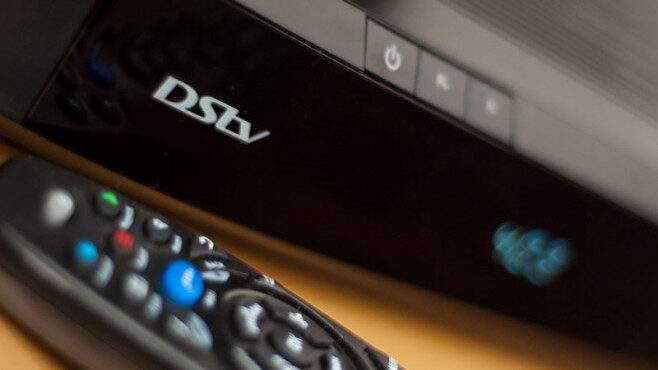
This is the single most useful thing we can tell you about DStv faults. When the picture goes, people naturally look at the box under the television, because that is the part they can see. But the decoder is a sealed electronic unit sitting in a warm, dry lounge, and it lives a very comfortable life.
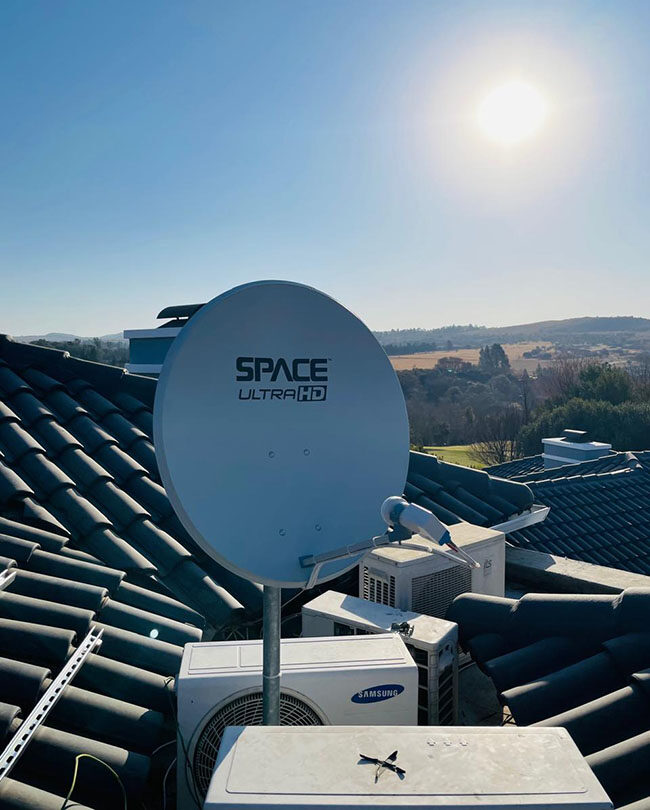
The dish, the LNB and the cable, meanwhile, sit outside in the sun, the rain and the wind for years. The LNB — the small unit at the end of the dish arm — is an active electronic component permanently exposed to weather, and it is by far the most common failure point in a DStv installation.
So when we attend a DStv fault, we test the whole system: signal at the LNB, signal at the wall point, cable integrity, connector condition, dish alignment, and only then the decoder itself. That order finds the fault far faster than starting with the box.
The detail
In rough order of how often we find it.
The most common DStv fault there is. The LNB sits on the end of the dish arm, permanently exposed, and it degrades. Symptoms include gradual pixelation, loss of some channels, and a signal that collapses in light rain. Replacing it is inexpensive.
The connector at the LNB is outdoors permanently. If it was not weatherproofed properly, water gets in and the copper corrodes. It is the second most common cause and it is cheap to fix.
Wind, storms, a ladder leaning against it, or a bird deciding it makes an excellent perch. A dish a couple of degrees off will produce exactly the pixelating, breaking-up picture people describe.
South African sun destroys unprotected coax. The sheath cracks, water gets in, and signal quality collapses. Rodents also find coaxial cable unaccountably attractive.
They do happen — power supply failures, hard drive failures on Explora units, and software corruption. But they are a long way down the list, and we prove the signal chain first.
Sometimes the fault is not technical at all. We will tell you honestly if the problem is a suspended subscription rather than something we can charge you to fix.
What you get
The whole system, not just the box.
01
LNB, wall point and decoder input.
02
The most common fault, and an affordable fix.
03
Weatherproofed properly this time.
04
With a meter, optimised for quality as well as strength.
05
Power supplies, hard drives and software.
06
If the fault is billing, we will say so.
Included
Systematic, so we find it the first time.
Signal strength and quality measuredAt multiple points along the chain
LNB condition and output testedThe most likely culprit, tested first
Connector and weatherproofing inspectionIncluding the ones on the roof
Cable continuity and condition checkEnd to end
Dish alignment verifiedAnd corrected with a meter where needed
Decoder function testChannels, recording, remote and outputs
Our process
01
E48-32? E16? No signal at all? Each points somewhere different.
02
LNB first, then cable, connectors and wall point.
03
Which is usually outdoors, not in the lounge.
04
And confirm it holds up before we leave.
By area
Every area has its own page, with local suburbs, a map and the specific thing that tends to go wrong there.
Johannesburg · Sandton · Randburg · Roodepoort · Fourways · Bryanston · Morningside · Woodmead · Sunninghill · Pretoria · Pretoria East · Centurion · Midrand · Kempton Park · Germiston · Alberton · Benoni · Brakpan & Springs · East Rand · Krugersdorp
FAQ
The things people actually ask us on the phone, answered straight.
WhatsApp us the make, the screen size and a short video of what the TV is doing. We can usually narrow the fault down before a technician is even dispatched.
WhatsApp 068 348 0078Probably not. ‘No signal’ means the decoder is working and receiving nothing from the dish. The fault is almost always outdoors — the LNB, a corroded connector, a damaged cable, or a dish knocked out of alignment. We test the chain from the dish inwards.
The LNB is the small unit on the end of your dish arm. It receives the satellite signal and converts it into something the cable can carry. It is an active electronic component sitting outdoors in the sun and rain permanently, and it is the single most common failure point in any DStv installation. Replacing it is inexpensive.
That is rain fade, and every installation suffers it to some degree. But if it happens in light rain, your installation has no margin — usually because the dish alignment is marginal or the LNB is degrading. A properly aligned dish with a healthy LNB rides out far more weather.
It generally indicates that the decoder is not receiving a usable signal from the dish. It is a signal-path error rather than a decoder fault. See our DStv signal problems page for the full breakdown of the common codes.
Often, yes. Explora faults are usually power supply failures or hard drive failures, and both are repairable. We will always test the signal chain first, though, because a decoder that appears faulty is very often a decoder receiving nothing.
Then it is a technical fault, and it is almost certainly in the signal path. Give us a call — and if it does turn out to be a subscription or smartcard issue, we will tell you honestly rather than charging you for a repair you did not need.
Book a TV technician
Tell us what the screen says and we will tell you where the fault most likely is. It is usually outside, and usually affordable.
DStv repairs across Gauteng · dish, LNB, cable and decoder
Contact