
01
A dish that stays put
Correct fixings, correct bracket, correct substrate.
Home/DStv services/Satellite dish installation
Satellite dish installation
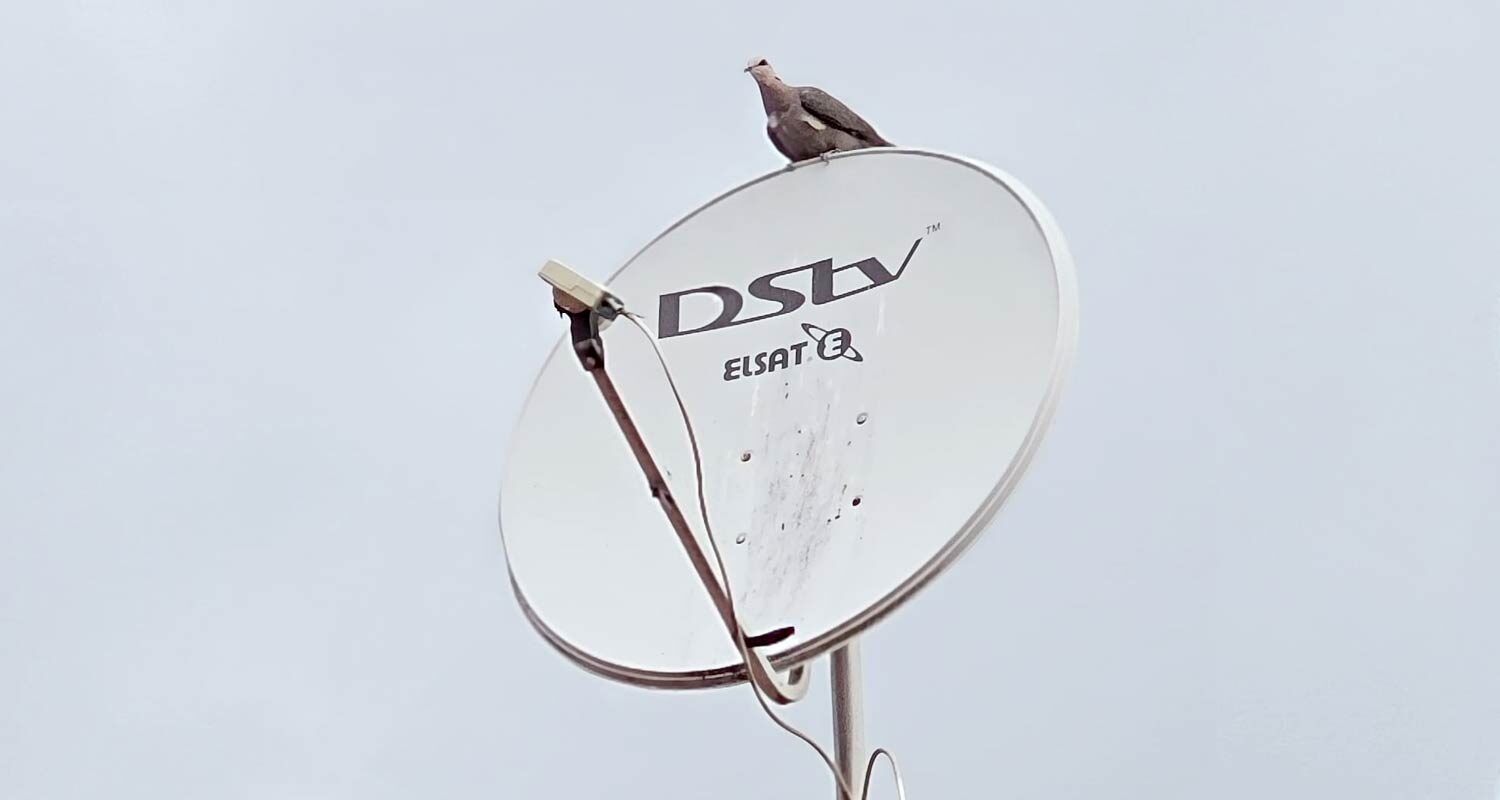
A dish is a sail bolted to your house. Mount it badly and the first serious wind will move it. Mount it properly, align it precisely and weatherproof it correctly, and you will not think about it again for years.
Before anything is bolted to anything, the dish needs a clear, unobstructed line of sight to the satellite. In South Africa that means pointing broadly north-east and upward, and it means nothing substantial in the way — not a tree, not a neighbour’s new second storey, not the corner of your own roof.
This sounds obvious and it is routinely got wrong, because the tree that is in the way in five years’ time is not in the way today. We survey properly, and if the obvious mounting position is going to cause you problems, we will tell you before we drill rather than after.
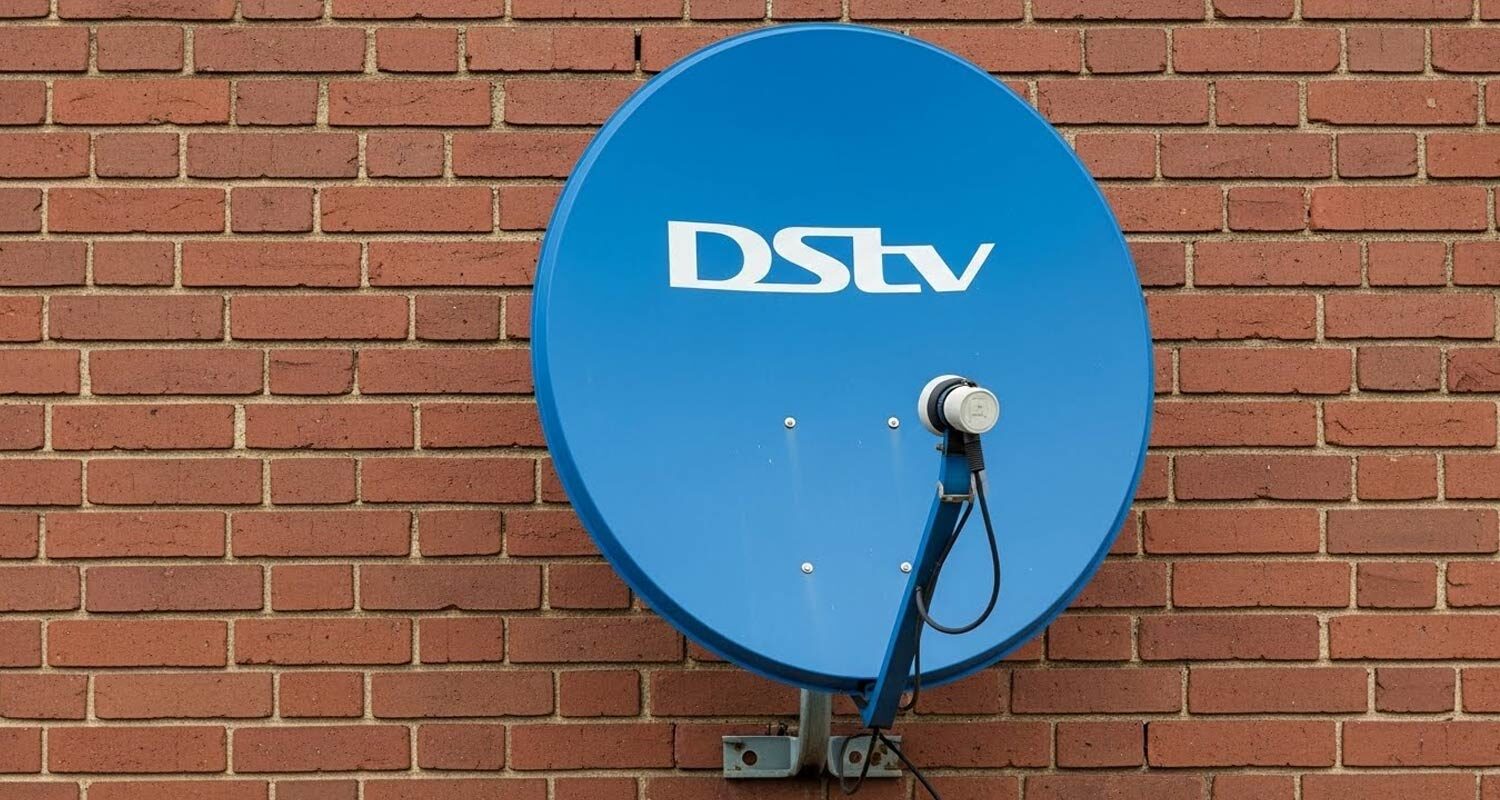
Then comes the mounting itself. A dish presents a substantial surface to the wind, and the forces on its bracket in a Highveld storm are not trivial. Correct fixings, correct substrate, correct bracket. And finally the alignment and the weatherproofing, which is where good installations separate themselves from cheap ones.
The detail
Four things, all of which matter.
Clear sight to the satellite, with allowance for how the surroundings will change. We would rather move the dish now than come back in three years.
Brick, concrete, tile, or a steel structure — each needs different fixings. A dish is under constant wind load and the fixing has to take it indefinitely.
Elevation, azimuth and skew, all optimised for signal quality as well as strength. This is what gives the installation margin against rain.
The LNB connector is outdoors permanently. Sealed properly it lasts years. Sealed badly — or wrapped in insulation tape — it corrodes and you have a fault within two seasons.
Highveld sun destroys cheap coax within a few years. Proper cable, properly clipped, properly sealed where it enters the building.
Gauteng sits under a strong satellite footprint, so a standard dish is ample almost everywhere. We size up where line of sight is tight or several decoders share one dish.
What you get
An installation you can forget about.
01
Correct fixings, correct bracket, correct substrate.
02
Optimised on quality, so rain does not kill it.
03
The most common failure point, prevented.
04
Not left to bake in the sun and crack.
05
Single, twin or quad — matched to your decoders.
06
Working, tuned and demonstrated before we leave.
Included
Standard, not extras.
Line-of-sight surveyWith allowance for future obstruction
Substrate-appropriate fixingsBecause a dish is under permanent wind load
Elevation, azimuth and skew alignmentAll three, on a meter
Weatherproofed LNB connectorSealed properly — this is not optional
UV-rated cable, clipped and sealedWhere it runs and where it enters
Full channel scan and handoverEverything working before we go
Our process
01
Before a single hole is drilled.
02
Correct bracket, correct fixings, correct substrate.
03
Elevation, azimuth and skew, optimised for quality.
04
A working system, demonstrated to you.
FAQ
The things people actually ask us on the phone, answered straight.
WhatsApp us the make, the screen size and a short video of what the TV is doing. We can usually narrow the fault down before a technician is even dispatched.
WhatsApp 068 348 0078Somewhere with a clear, unobstructed line of sight to the satellite — broadly north-east and upward in South Africa — and somewhere the bracket can be fixed securely into solid substrate. We survey both before mounting, and we allow for how the surroundings will change as trees grow.
Across Gauteng the satellite footprint is strong, so a standard dish is adequate for the great majority of installations. Where line of sight is partially obstructed, or where you are running several decoders off one dish, we may recommend going a size up to give you more margin in bad weather.
Yes, though we would generally prefer a wall where one is available, because a wall mount is easier to seal and easier to service. Where a roof mount is genuinely the only option, we do it properly and we seal it properly.
Typically two to three hours for a standard single-decoder installation, including the survey, mounting, alignment, cabling and setup.
Poor weatherproofing of the LNB connector. It sits outdoors permanently, and if it is not sealed properly, water gets in and the copper corrodes. It is the single most common cause of the signal faults we are called out to, and it is entirely preventable.
Yes. That needs a twin or quad LNB rather than a single, and it needs the cabling planned properly from the start. Tell us how many decoders you want to run and we will size the installation correctly.
Book a TV technician
Tell us where you are and how many decoders you want to run. We will quote the dish, the mounting, the LNB and the alignment together.
Satellite dish installation across Gauteng
Contact